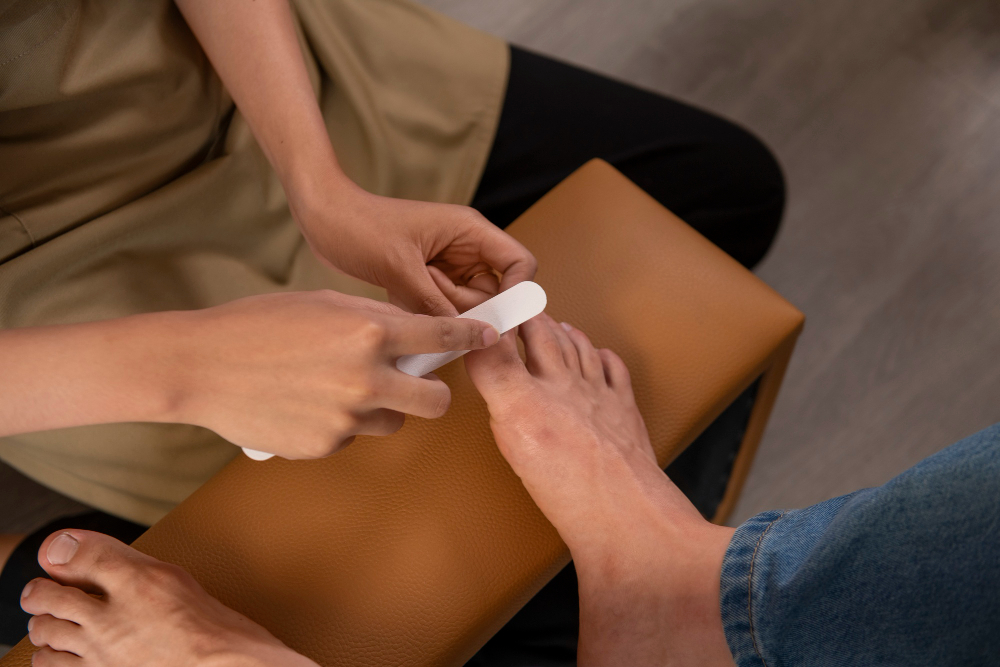
What is Proper Diabetic Foot Care?
Proper diabetic foot care means taking daily steps to keep your feet healthy. People with diabetes need to pay extra attention to their feet. This is because diabetes can cause nerve damage and poor blood flow. As a result, small problems can turn into serious issues quickly. By following diabetic foot care tips, you can prevent many complications.
Why is Foot Care Important for People with Diabetes?
For people with diabetes, foot care is very important. Diabetes can make it hard for wounds to heal. Even small cuts or blisters can become infected. In some cases, untreated foot problems may lead to surgery or even amputation. Therefore, daily foot care for diabetes helps you avoid these risks. According to the CDC, regular foot checks can lower the chance of serious foot problems.
Common Foot Problems in Diabetes
People with diabetes may face several foot problems. Some of the most common issues include:
Because of these risks, preventing diabetic foot complications is key.
Daily Foot Care Routine: Step-by-Step Guide
Following a daily routine can help keep your feet safe. Here is a simple step-by-step guide:
By making this routine a habit, you can lower your risk of problems.
Warning Signs to Watch For
It is important to know when something is wrong. Watch for these warning signs:
If you notice any of these signs, contact your doctor right away. Early action can prevent serious complications.
When to See a Doctor
Sometimes, home care is not enough. You should see a doctor if:
Doctors, including general surgeons and transplant surgeons, can help treat foot problems early. This can prevent more serious issues.
Prevention Tips for Diabetic Foot Complications
There are many ways to prevent diabetic foot complications. Here are some helpful tips:
By following these tips, you can keep your feet healthy and strong.
Lifestyle and Self-Care Advice
Healthy habits support proper diabetic foot care. Try to:
With these self-care steps, you can lower your risk of foot problems.
In summary, proper diabetic foot care is vital for people with diabetes. By following daily routines and prevention tips, you can avoid many complications. Consult a healthcare specialist for personalized diabetic foot care advice.