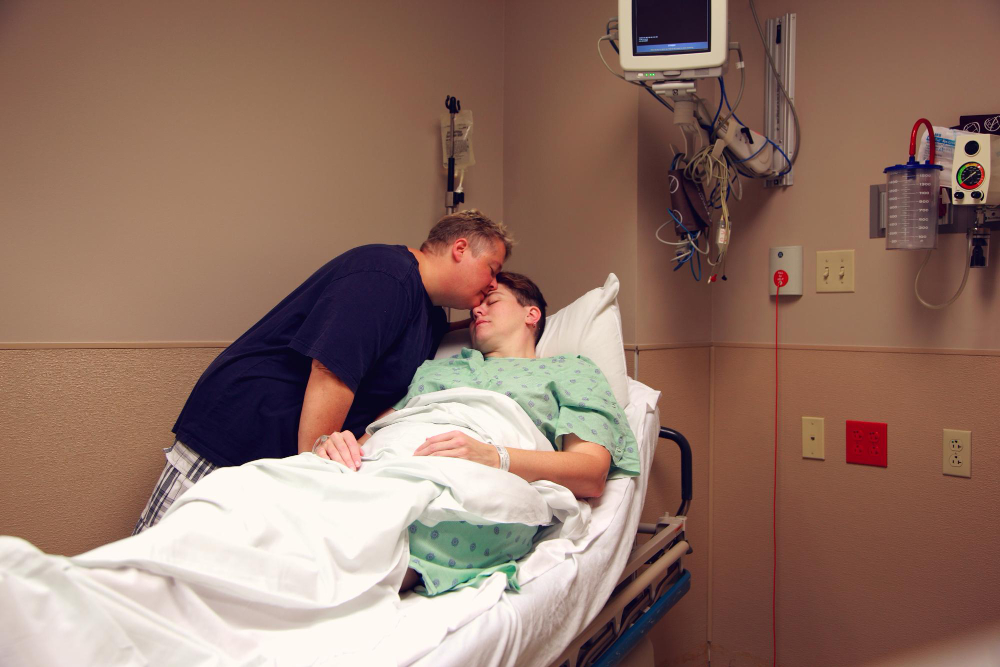
Hernia surgery is a common procedure that helps repair a weak spot in the muscle or tissue. While most people recover well, preventing complications after hernia surgery is very important. Complications can slow your healing and may lead to more problems. By following simple steps, you can help ensure a safe and smooth recovery. This guide will share key tips and warning signs to watch for after hernia surgery.
Common Complications After Hernia Surgery
Although hernia surgery is usually safe, some people may face complications. Knowing what can happen helps you stay alert. Here are some common issues:
According to the CDC, infection rates after hernia surgery are low, but it is still important to watch for signs.
Early Warning Signs to Watch For
After surgery, you should look for early warning signs of trouble. If you notice any of these, contact your doctor right away:
Early action can prevent bigger problems. So, always listen to your body and act quickly if something feels wrong.
Proven Strategies to Prevent Complications
There are several ways to lower your risk of problems after hernia surgery. Here are proven strategies you can follow:
In the US and UK, hospitals often provide written instructions for home care. Always read and follow these closely.
Lifestyle Tips for a Smooth Recovery
Besides medical care, your daily habits play a big role in recovery. Here are some lifestyle tips to help you heal well:
With these simple steps, you can help your body recover faster and lower your risk of problems.
When to Seek Medical Help
Sometimes, problems can happen even if you do everything right. You should seek medical help if you notice:
Quick action can make a big difference. So, do not wait if you are worried about your health.
In summary, preventing complications after hernia surgery is possible with the right care and attention. Follow your doctor’s advice, watch for warning signs, and take care of your body. Consult a specialist for personalized guidance on hernia surgery recovery.